
Choosing the right air conditioning system for your business is an important decision. Many commercial spaces still use window AC units, central systems, or older duct systems. Today, more businesses are moving toward modern solutions like the ductless HVAC system, also known as a mini split.
A mini split air conditioner offers better control, strong performance, and improved indoor air quality. It can also help reduce energy costs over time.
In this guide, you will learn the key pros and cons of mini split systems. This will help you decide if this solution fits your building and your long term goals.
What Is a Ductless HVAC System?
A ductless HVAC system is a type of heating and cooling system that does not use duct systems. Instead, it delivers air directly into each space.
A mini split system includes:
- An outdoor unit
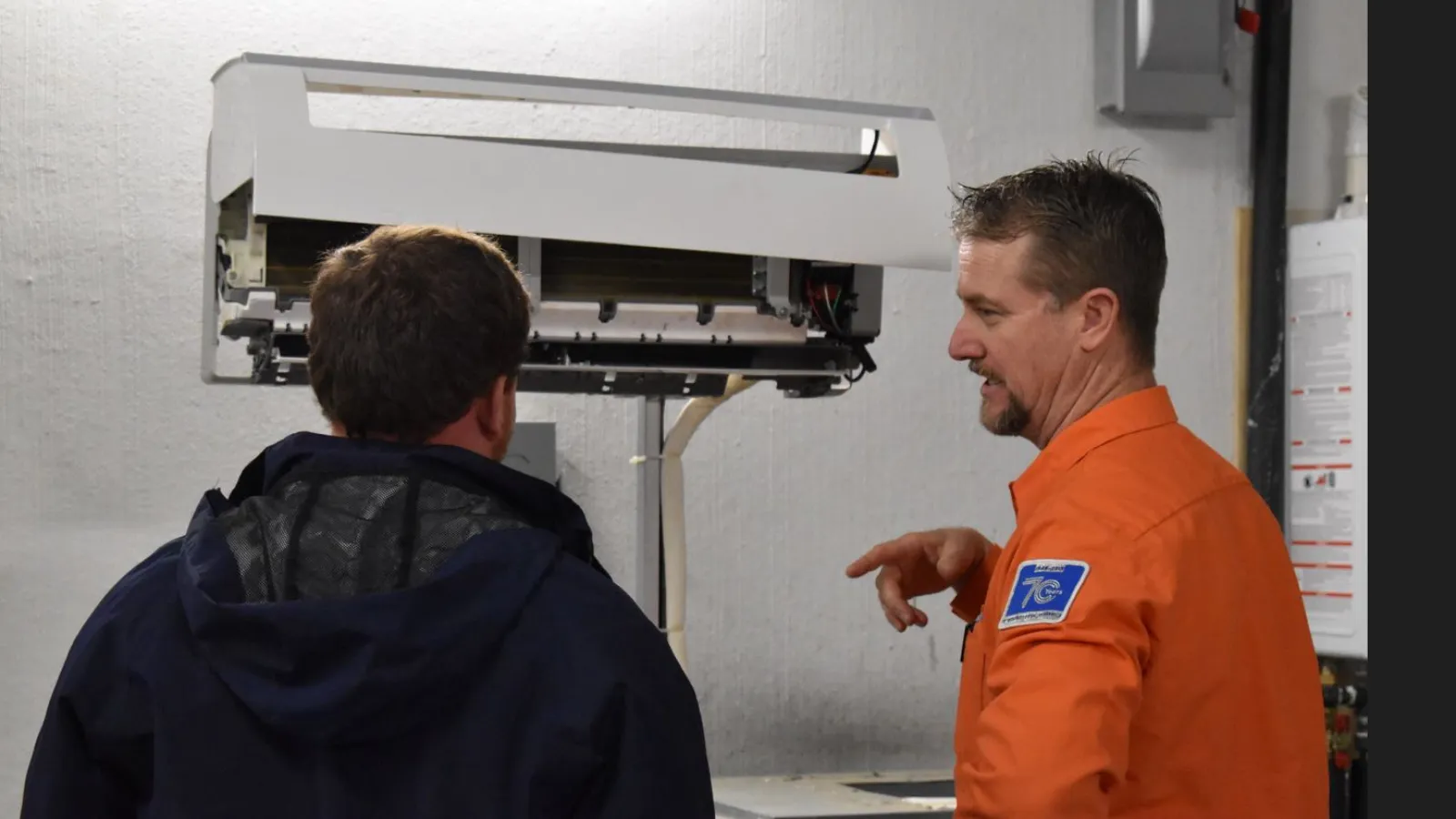
- One or more indoor units
Each indoor unit connects to the outdoor system through small lines. These lines carry refrigerant and power. This setup allows you to control each room separately.
Unlike window air conditioners or window units, mini splits do not sit in a window. They stay mounted on walls, ceilings, or floors.
Many systems can both heat or cool, making them a complete solution for year-round comfort.
Mini Split vs Window AC Units and Central Systems
Before choosing a system, it helps to compare your options.
Window AC units and window ACs:
- Lower upfront cost
- Limited cooling capacity
- Higher noise levels
- Less energy efficient
- Can increase energy bills
Central air conditioning systems:
- Serve large spaces
- Depend on duct systems
- Can lose energy through ducts
- Less flexible for zoning
Mini split air conditioners:
- Provide zoned heating and cooling
- Reduce energy losses
- Offer better control
- Improve indoor air quality
This is why many businesses replace outdated window units with a ductless air conditioner system.
Key Benefits of Mini Split Systems
1. Energy Efficiency and Energy Savings
Mini splits reduce energy losses because they do not use duct systems. In traditional systems, air can escape before reaching the room.
A ductless mini split sends air directly where it is needed. This improves efficiency and lowers energy costs.
Many systems adjust output based on demand. This helps reduce energy use and lowers utility bills over time.
2. Zoned Heating and Cooling
Each indoor unit works on its own. You can control each zone using a remote control.
This allows you to:
- Heat or cool only the spaces you use
- Adjust temperature by room
- Reduce energy waste
Zoning helps improve comfort and supports better control of your indoor environment.
3. Flexible Installation
Mini splits are easier to install than traditional systems. They do not require duct systems, which saves time and reduces disruption.
They are ideal for:
- Older buildings
- Office upgrades
- Retail spaces
- Expanding commercial areas
With proper professional installation, you ensure correct proper sizing, performance, and long term reliability.
4. Improved Indoor Air Quality
Mini splits help improve indoor air quality IAQ. They reduce the buildup of dust and contaminants often found in duct systems.
With clean air filters and regular service, these systems help reduce:
- Airborne particles
- Indoor air pollution
- Mold spores
- Particulate matter
This creates a healthier space for employees and customers.
5. Quiet Operation and Better Design
Mini splits operate quietly compared to window air conditioners. They also do not block windows or natural light.
This improves:
- Comfort in workspaces
- Security
- Visual appearance
These features make them ideal for offices, clinics, and retail environments.
Disadvantages of Mini Split Systems
6. Higher Upfront Cost
Mini split systems may have a higher initial installation cost than window AC units.
However, lower energy bills and reduced maintenance can offset this cost over time.
7. Indoor Unit Placement
Each indoor unit is visible. Placement must be planned to match your layout and design.
An experienced HVAC provider can recommend the best placement for both performance and appearance.
Cooling Capacity and Proper Sizing
Choosing the right size system is critical. Mini splits are measured by cooling capacity, often in British thermal unit (BTU).
Proper sizing helps:
- Avoid energy waste
- Improve efficiency
- Extend system life
- Reduce energy costs
A system that is too large or too small will not perform correctly.
Long Term Performance and Maintenance
Mini splits are built for long term use. With regular maintenance, they can deliver stable performance for years.
Routine service includes:
- Cleaning or replacing air filters
- Checking system performance
- Ensuring proper airflow
Regular maintenance helps reduce energy losses and supports consistent performance.
Energy Savings and Cost Control
Mini splits help control energy costs by adjusting output based on demand.
This leads to:
- Lower utility bills
- Reduced strain on your HVAC system
- Better control of indoor temperatures
Over time, these systems help reduce overall energy bills and provide better value.
Professional Commercial HVAC Services
Choosing the right system depends on your building size, layout, and usage.
Estes Services provides expert commercial HVAC services to help you evaluate your options and design the right solution.
Explore our services:
- Commercial HVAC system solutions
- Air conditioning services for commercial spaces
- Heating system solutions
Is a Mini Split System Right for Your Business?
A mini split air conditioner works well for businesses that need:
- Flexible zoning
- Energy efficient performance
- Better indoor air quality
- Scalable solutions
However, larger buildings may need a combination of systems for full coverage.
A professional evaluation ensures the right balance between cost, performance, and efficiency.