
In older homes, you can uncover beautiful features we no longer see today, such as fully wooden doors and intricate molding. However, you also encounter some risks, since despite popular belief, not everything was higher quality back in the day. One of those areas of concern you should be sure to check is your home's electrical wiring. In this article, you will learn how to identify what kind of wiring your home has and the risks that come with it, before deciding whether to repair or replace.
Step 1: Identify the Type of Wiring
Knob and Tube
Knob-and-Tube — Knob-and-Tube (K&T) is one of the oldest forms of wiring in the U.S., and it is pretty easy to identify since it looks like the namesake knobs and tubes. This is the wiring most likely to be found if your home is from the late 1800s-1930s.
Cloth Wiring
Cloth Wiring — If you have K&T, you also may have cloth wiring. Cloth wiring was commonplace in homes built before the 1960s, and it is unfortunately difficult to identify. Since this type of wiring is prone to becoming brittle, we don't recommend touching it yourself to identify, and instead call a professional Atlanta electrician.
Aluminum Wiring
Aluminum Wiring — One of the more short-lived wiring trends, aluminum is likely in homes built between the 1960s-70s. One of the easiest ways to check for this type of wiring is by looking for etching that says aluminum, alum, or AL on the wire's insulation. When looking for these markings, remember not to touch any live wires.
Step 2: Assess the Risks
Knob-and-Tube
Knob-and-Tube — K&T is one of the most problematic types of wiring for homeowners, since you often can't get insured if you have it, which is a big red flag when determining the safety of your home. One of the biggest problems with K&T is that there is no ground wire. Simply put, ground wire runs through the ground to let any excess electricity out safely, preventing fires. This fire hazard is the main reason people may look to replace K&T.
Cloth Wiring
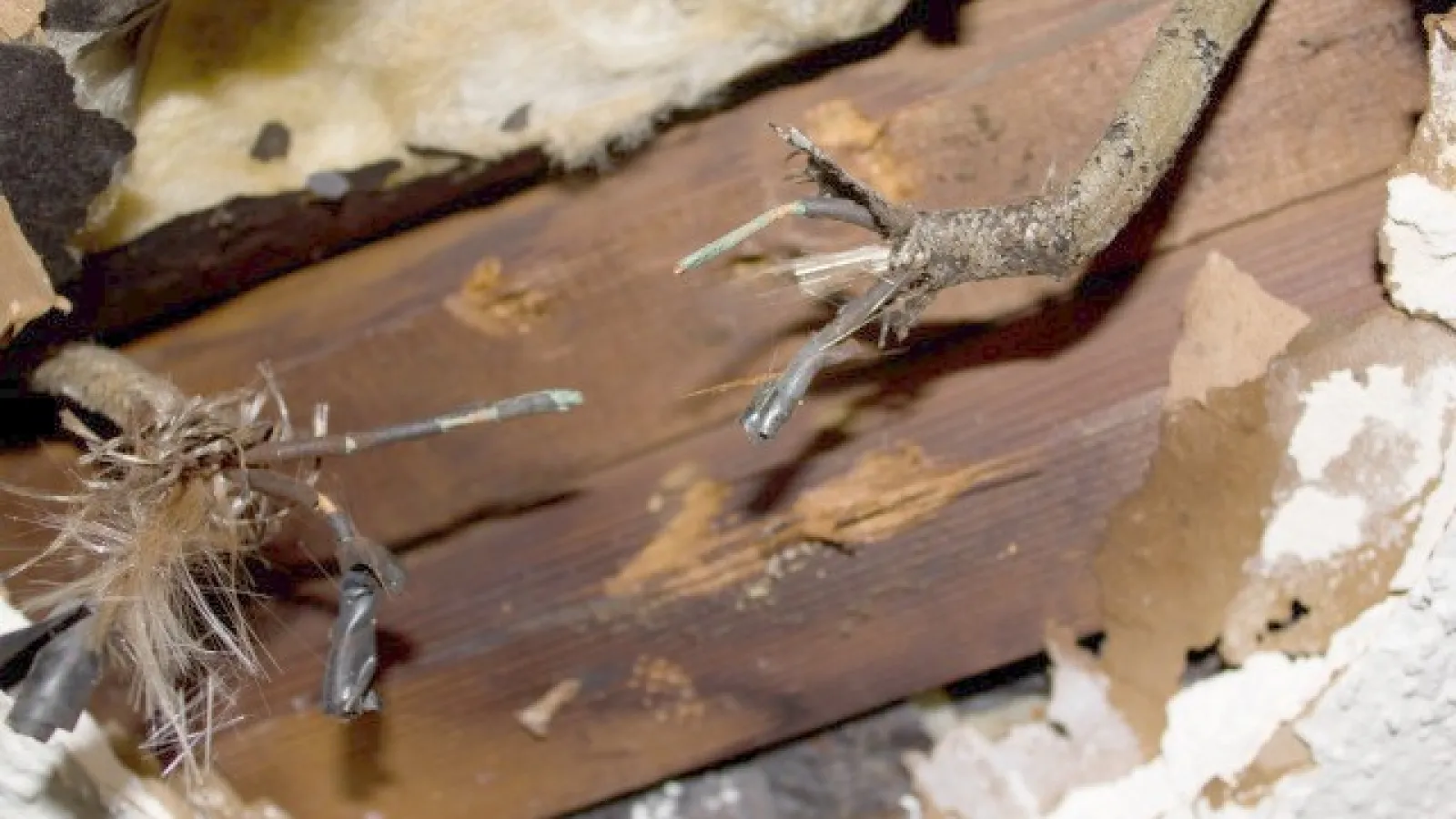
Cloth Wiring — Since cloth wiring is typically a part of K&T, you still have all of the problems that come along with that system. One of the distinct problems with cloth wiring though is how brittle it becomes, leading to exposed wire. That isn't where the exposed wire dilemmas end though, since cloth is easily broken through by household pests, from termites to rats, much easier than modern rubberized coating. The more wiring that is exposed, the more flammable the wiring becomes, posing another fire hazard in your home.
Aluminum Wiring
Aluminum Wiring — Based on the trend of this article, you can likely guess what the biggest concern with aluminum wiring is. If you guessed fire hazards, you'd be right. Aluminum oxides faster than copper, which prevents it from conducting electricity properly. It also creates what are called "loose connections" by expanding and contracting at a higher rate, which can lead to a fire breaking out. Not only that, homes with aluminum wiring are 55 times more likely to have fire hazards.
Step 3: Call an Expert
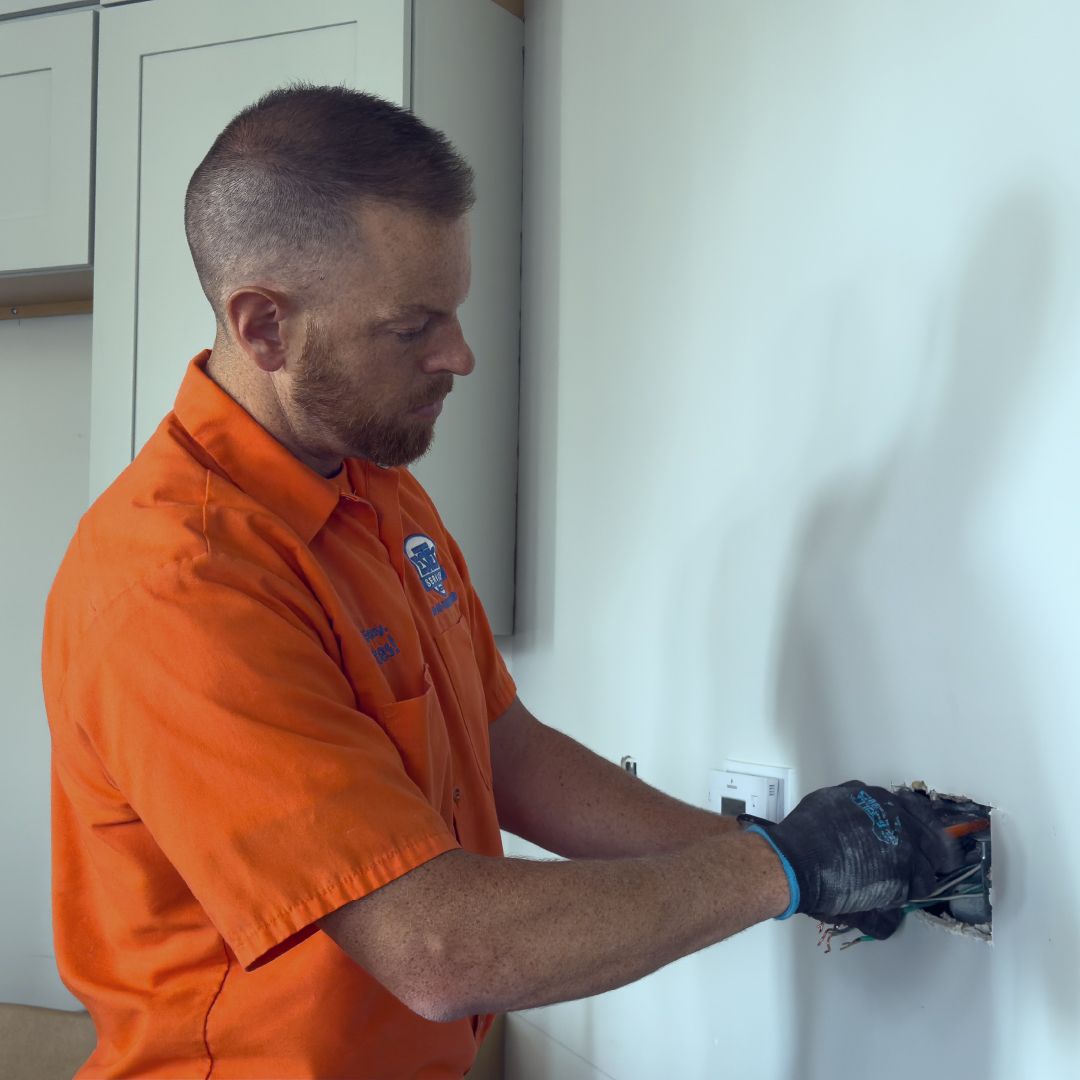
After reading about the hazards of old wiring, you are likely wanting to solve the problem by repairing or replacing the wiring in your home. There are DIY solutions to help ease the concerns of older wiring, but they are all hazardous to install, and many don't even solve the problem in full. When dealing with wiring, the best thing to do is to call a professional specialized in electrical services and home wiring. They can safely examine and repair your wiring, and they can also determine whether or not the best solution is to replace it.
Schedule Electrical Service with Estes Services Today
Don't let the fear of fire hazards stop you from enjoying your home. If you have old wiring, it's time to protect your investment, so don't hesitate to schedule service with Estes Services today. Our electricians can help you with all of your electrical needs, from repairing to replacing. Give yourself the peace of mind you deserve, and call a professional today to inspect and assess your wiring so your home is safe for decades to come. It's that Easy; It's Estes!
Frequently Asked Questions About Old House Wiring
How can I tell if my home has old wiring?
Homes built before the 1980s often contain old house wiring such as knob and tube wiring, cloth wiring, or aluminum wiring. Signs may include a fuse box instead of a modern breaker panel, frequent tripping breakers, flickering lights, or warm outlets and switches. A professional inspection by qualified electricians is the safest way to confirm the type of wiring in your home.
Is cloth wiring dangerous?
Yes. Cloth wiring becomes brittle over time, exposing individual wires and increasing the risk of electrical shock, short circuit, and fire. It is especially unsafe near lighting fixtures and inside walls where damage may go unnoticed. Homes with cloth wiring should be evaluated by licensed electricians as soon as possible.
Why is aluminum wiring considered a fire risk?
Aluminum wiring expands and contracts more than copper wires, which can loosen connections at circuit breakers, outlets, and the electrical panel. This can lead to overheating and fire hazards. Many insurance companies flag aluminum wiring as a safety concern, making professional assessment essential.
What is knob and tube wiring, and why is it unsafe?
Knob and tube wiring is one of the oldest types of electrical wiring and does not include a ground wire, which helps prevent fires and electrical shock. This outdated wiring system cannot safely support modern electrical demands and is often incompatible with today's appliances and electrical load requirements.
Can old wiring cause frequent breaker trips?
Yes. Old wiring may not be designed to handle modern electrical usage, leading to overloaded circuits and tripping breakers. This is often a warning sign that your wiring system or electrical panel needs repair or replacement.
Do I need to replace all old wiring, or can it be repaired?
It depends on the condition and type of wiring. In some cases, targeted electrical work may be enough. In others—especially with knob and tube wiring or deteriorated cloth insulation—a full replacement is the safest option. A professional electrician can recommend the best solution for your home.
Will insurance companies cover homes with old wiring?
Many insurance companies will not insure homes with knob and tube wiring and may require upgrades for aluminum wiring. Updating your home wiring can improve safety and help maintain or restore insurance coverage.
How often should older homes have their electrical wiring inspected?
Homes more than 40 years old should have their electrical wiring inspected regularly, especially if you notice issues such as flickering lights, warm outlets, or breaker trips. Routine inspections help ensure safety and prevent costly damage.
Who should I call to inspect or upgrade my home's wiring?
Always contact qualified electricians with experience in older homes. Estes Services provides professional electrical services, including inspections, repairs, panel upgrades, and full rewiring projects designed to ensure safety and long-term reliability.